No charge without an approved estimate
Section 15 of the Consumer Protection Act covers repair and maintenance work on a customer's property when you take it into your possession, or when the customer asks for an estimate before you start. The Act's regulations (GN R293 of 2011) set the threshold at R1, excluding VAT. For a panel shop, that means every job.
You may only charge for the work if one of these happened first:
- You gave the customer an estimate that says what the law asks (see the next section), and they then authorised the work.
- The customer declined an estimate and authorised the work, in writing or in another recorded form.
- The customer authorised charges up to a set maximum, in writing or in another recorded form, and you stayed within it.
So get every approval on record. A signed quote, an email or a WhatsApp reply gives you something to show. A verbal OK at the counter leaves you nothing to show.
What every quote must say
The same regulations list what an estimate must specify. Here they are, with what each one means on a panel beating quote:
| The regulations ask for | On your quote |
|---|---|
| A breakdown and the total of what you'll charge | Each line with its parts, labour, strip and assemble, paint and outwork, then the total. |
| The nature and extent of the repair | What you'll repair or replace, panel by panel. Photos of the damage help the customer see it. |
| How long the quote is valid | A date, so a price you gave months ago doesn't come back to bite you. |
| When the car must be collected, and what happens if it isn't | For example: collect within 3 days of being told the car is ready, after which storage is charged at R… a day. |
From the section 15 threshold notice in the Consumer Protection Act Regulations (GN R293 of 2011).
VAT on the quote
If you're registered for VAT, section 65 of the VAT Act adds a rule: a price you quote must include VAT and say so, or show the price before VAT, the VAT and the total, all equally clearly. You also may not suggest that a cash discount is instead of the VAT. If you aren't registered, you may not charge VAT at all.
What else gets a quote approved
The law sets the minimum. A quote that gets a quick yes also has your company's details and a quote number, the customer's name and number, the car's make, model, registration and VIN, and a space for the customer to sign their approval. Your labour lines should come from a rate you've worked out: here's how to work out yours.
Free toolPanel beater quote templatePrints the terms the Act asks for: how long the quote is valid, any agreed quote fee, no extra cost without approval, collection and storage, the 3-month warranty and old parts.Charging for quotes and stripping
Quoting is free unless the customer agreed to pay for it. Section 15(3) says you may not charge for preparing an estimate, including:
- diagnostic work, stripping and reassembly needed to prepare it, or
- damage to or loss of parts or materials while you prepare it,
unless you told the customer the price of preparing the estimate before you started, and they approved it.
In a panel shop this comes up when hidden damage means taking off a bumper, a door trim or a headlight before you can quote properly. Before you pick up a spanner:
- Tell the customer what the strip-and-quote fee is, and whether you'll take it off the repair if they go ahead.
- Say what happens if a clip or a part breaks while you strip: the same rule covers that cost.
- Get their approval on record: a signature on the check-in sheet, an email or a WhatsApp reply.
When you find more damage
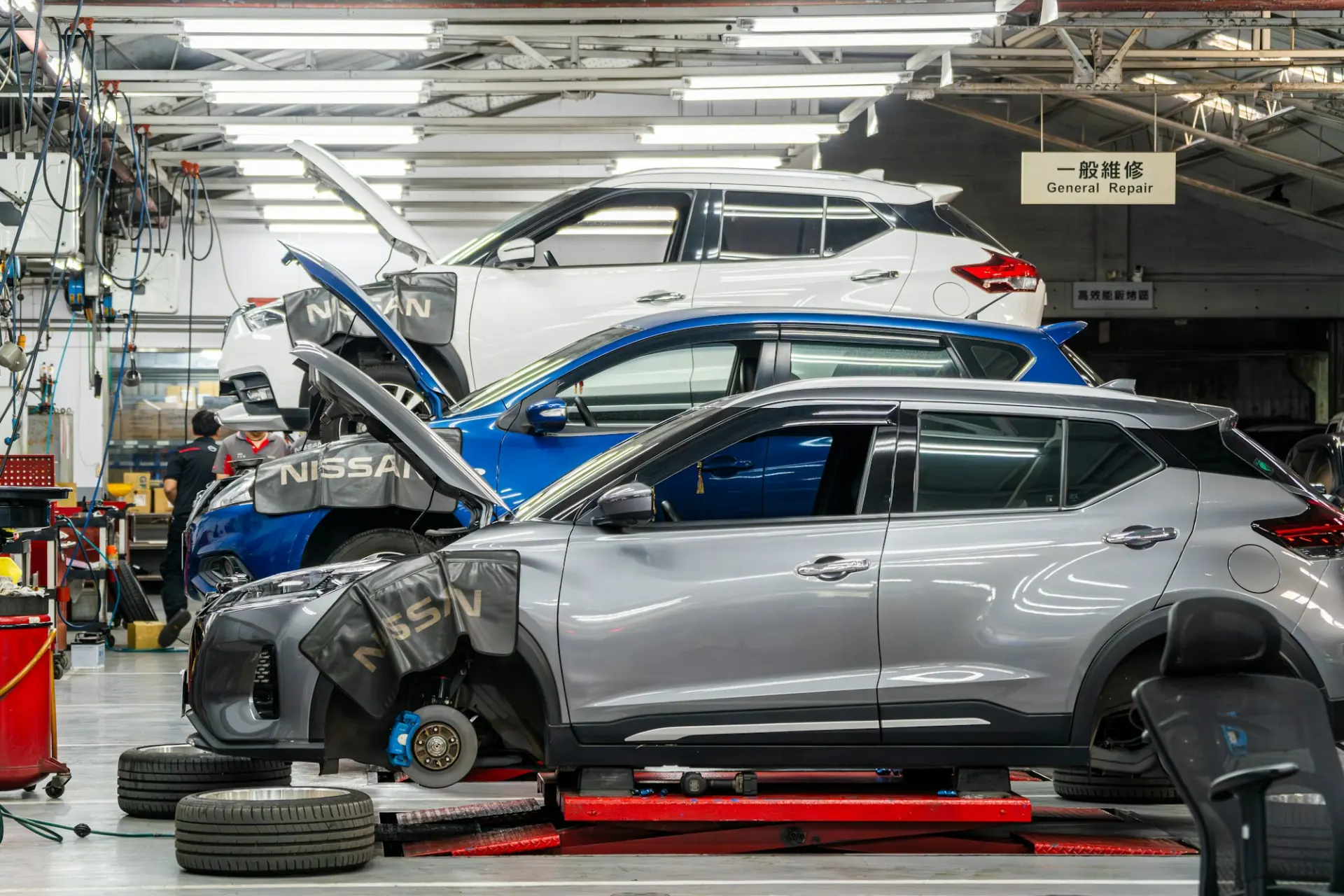
Once you've given an estimate, section 15(4) says you may not charge more than it unless, after giving it, you told the customer the extra estimated cost and they authorised you to carry on. Hidden damage behind a bumper is the classic case. A part that has gone up in price is another. When it happens:
- 1
Stop work on the extra damage
Photograph it before you go any further. - 2
Tell the customer what you found
Give the extra cost as a revised quote or an added line, so they can see the new total. - 3
Get their go-ahead on record
A signed revised quote, an email or a WhatsApp reply. - 4
Update the job card
So the final invoice matches what the customer approved, line for line.
On insurance jobs, the insurer's assessor approves extra damage before you repair it. More on that below.
Doing the work: the customer's rights
Once the customer approves the work, section 54 gives them the right to:
- Timely work, and timely notice of any delay you couldn't avoid, such as a part on back order.
- Work done in the manner and quality that people are generally entitled to expect.
- Parts that are free of defects and of the quality people are generally entitled to expect.
- Their car back in at least as good a condition as when they handed it over.
If the work falls short, the customer can ask you to put the defect right, or to refund a reasonable part of the price, depending on how far short it fell.
The three-month warranty
Section 57 makes you warrant every new or reconditioned part you fit during a repair, and the labour to fit it, for three months from the date it was fitted, or longer if you say so in writing. The warranty:
- Runs alongside any other warranty, such as the part maker's.
- Falls away if the customer misused or abused the part or the car.
- Doesn't cover ordinary wear and tear.
It covers parts and the labour to fit them. Your panel work and paint are covered by the customer's right to quality work under section 54. Some insurers ask their approved repairers for much longer warranties on workmanship and paint: our guide to insurance work has examples. Print your warranty on the invoice, so the customer knows the date it runs from.
Looking after the car
While the car is with you, section 65 says you may not treat it as your own, must look after it with the care, diligence and skill expected of someone managing another person's property, and are liable to the owner for any loss if you don't. Add the customer's right to get the car back in at least as good a condition (section 54), and a proper check-in becomes your best protection:
- Walk round the car with the customer and mark every existing dent, scratch and chip on a check-in sheet.
- Photograph each side, the interior, the odometer and the fuel gauge, and keep the photos with the job.
- Note what's in the car, from the spare wheel to anything valuable, or ask the customer to take valuables home.
- Both sign. Check the car out the same way when it leaves.
Keep cars and keys secure, and make sure your own insurance covers customers' cars in your care. Our guide to starting a panel shop lists the cover to ask a broker about.
Free toolVehicle check-in sheetA printable check-in and check-out sheet with your logo: a car outline for existing damage, fuel level, what came with the car and signatures.Giving back the old parts
Section 67 says that when you remove parts during a repair, you must keep them, keep them apart from other cars' parts, and give them back to the customer in a reasonably clean container, unless the customer declined them. It doesn't apply to parts that have to go somewhere else:
- Parts a warranty requires you to return to the maker or distributor, or dispose of as they say.
- Parts an insurance claim requires you to return to the insurer, or dispose of as it says.
- Parts the law requires to be recovered or disposed of safely, for the environment or public health.
Ask at check-in whether the customer wants their old parts, note the answer on the quote, label the parts with the job number, and dispose of them only once the customer has declined them or the insurer has told you what to do.
Collection and storage
The estimate must say how long the customer has to collect the car and what happens if they don't. That's where your storage terms belong, for example: “Please collect your vehicle within 3 days of us telling you it's ready. After that, storage is R… a day.”
- Because the terms are in the estimate the customer approved, they agreed to them before you started. A storage charge you add once the car is already late is much harder to stand behind.
- Tell the customer in writing when the car is ready, and keep the message: the collection period runs from then.
- Section 65 still applies while the car waits: keep it as secure as the cars you're working on.
Insurance jobs
On an insured claim, the insurer decides what it will pay for. Its assessor checks the quote, usually an Audatex assessment, and the insurer authorises the repair. The car owner is still protected: the Act's definition of a consumer includes the person who receives a service, even when someone else arranged it.
- Get extra damage approved by the assessor before you repair it. Work done without authorisation is hard to get paid for.
- The customer pays their excess and the insurer pays the balance it authorised. Invoice them separately.
- Anything the customer adds, like a scratch on another panel, is between you and them: quote it and get their own approval.
- Old parts may have to go to the insurer, or be disposed of on its instructions. That's the insurance exception in section 67.
- The three-month warranty and your duty to look after the car apply as on any other job.
Your quoting checklist
Every job, in order:
- 1
Check the car in
Existing damage, photos, fuel, contents and both signatures. - 2
Agree any quote or strip fee first
The price, on record, before you start. - 3
Quote it properly
A breakdown and total, the work, how long the quote is valid, the collection period and storage terms, and VAT shown properly if you're registered. - 4
Get the go-ahead on record
Before any work starts. - 5
Stop for extra damage
Tell the customer the extra cost and carry on once they agree. On insurance jobs, the assessor approves it. - 6
Warn early about delays
As soon as you know the date will slip. - 7
Keep the old parts
Separate and labelled, until the customer declines them or the insurer gives its instruction. - 8
Hand over with a matching invoice
It should match what the customer approved, with your warranty on it.